
Shops & Retail
Retail CCTV must identify people at the counter and entrance, cover stock areas and make it quick to find and export an incident.
In a shop, the most valuable footage is usually a clear face at the entrance and a clear view of the cash counter. That means placing cameras at a sensible height facing people as they come in, rather than high in a corner showing only the tops of heads. A wide overview camera then shows movement across the sales floor.
Glass shopfronts create strong back-light during the day; cameras with good wide dynamic range handle this better. Stock rooms and back doors are common loss points and deserve their own coverage.
When something happens you need to find it fast. Smart search features on modern recorders (for example human/vehicle detection) narrow playback, and exporting a clip to a USB drive or phone should be something staff can do without calling a technician.
What we usually recommend
Entrance identification camera
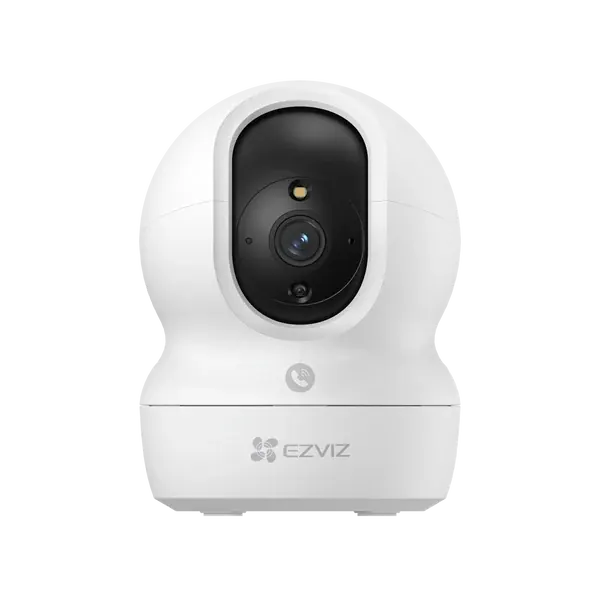
A camera aimed at faces as customers enter, at the right height and distance.
Counter camera
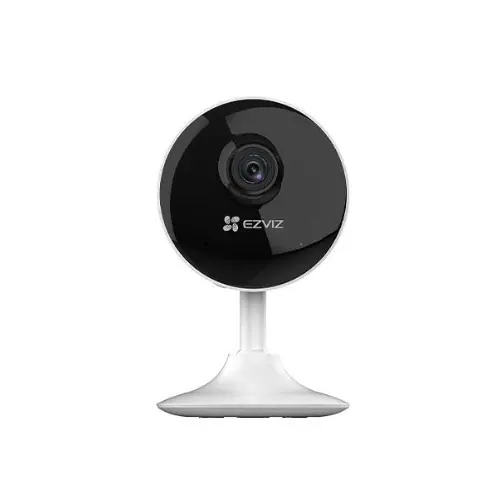
A view of the till area, transactions and the customer side of the counter.
Overview and stock areas
Wide cameras for the sales floor and dedicated coverage for stock rooms and rear doors.
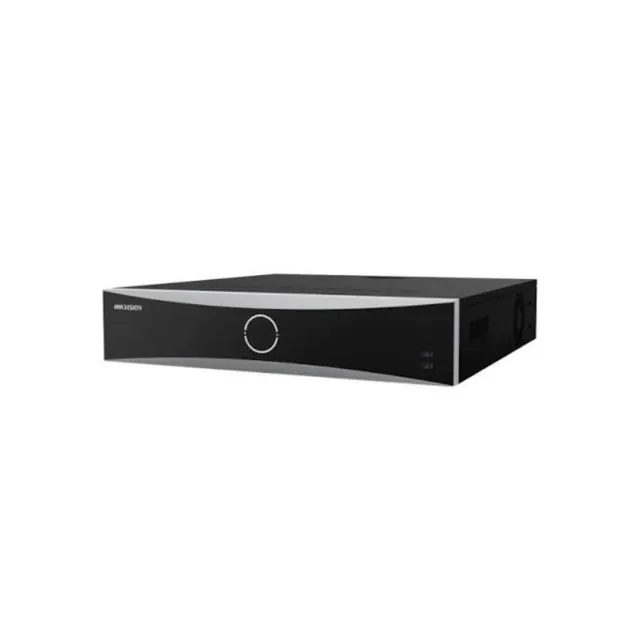
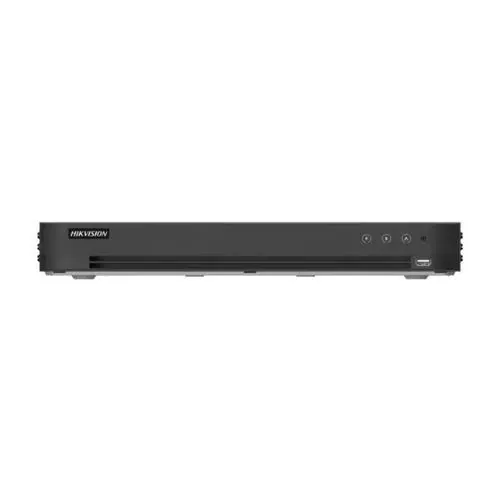
Recorder with smart search
A DVR/NVR with human/vehicle detection to find events quickly.
Common challenges
- Back-lit glass shopfronts
- Identifying people at the counter
- Stock-room and back-door losses
- Quick export of incidents
Things to consider
- Display any CCTV notice required by your landlord or market association
- Restrict who can delete or export footage
- Plan retention to cover the period in which incidents are usually reported
Questions
Can I watch my shop from home?
Yes, through the recorder manufacturer’s app, provided the shop has a working internet connection.
Is audio recording a good idea?
Some cameras include microphones. Recording conversations has privacy implications; check what is appropriate for your premises before enabling audio.