
IP vs HD Analog CCTV: Which System Should You Choose?
Quick answer
IP and HD analog cameras both record clear HD video, but they differ in cabling, power, features and upgrade path. Here is how to decide.
By ITvein TeamPublished Updated 2 min read
When you ask for a CCTV quotation, the first fork in the road is the system type: IP (network) cameras recording to an NVR, or HD analog cameras recording to a DVR or XVR. Both are proven technologies. The right choice depends on your site, budget and how much you want the system to grow.
How each system works
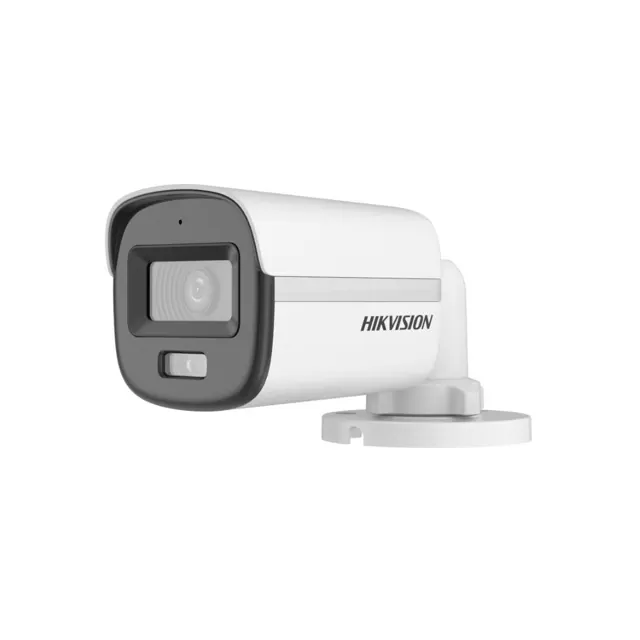
HD analog cameras send video over coaxial cable (usually RG59 with a power pair, or over twisted pair with baluns) to a DVR/XVR. Modern HD analog formats such as HD-TVI, HD-CVI and AHD carry 2MP to 8MP video, far better than old analog CCTV.
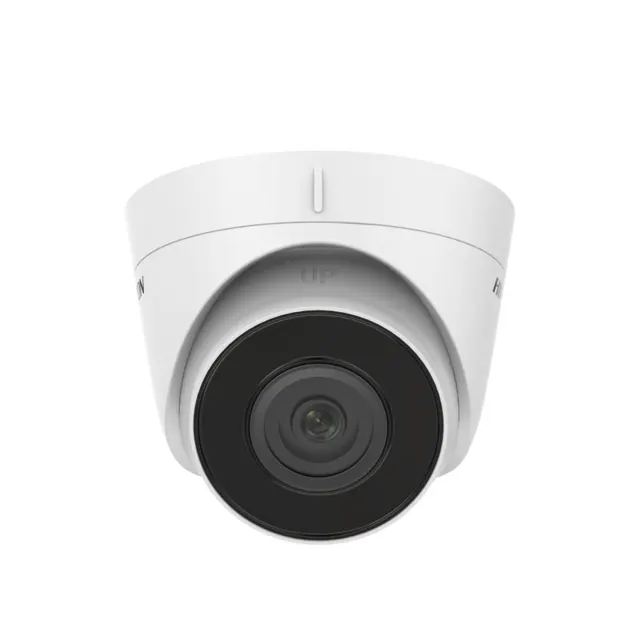
IP cameras are small computers. They compress video inside the camera and send it over a network cable to an NVR or a network switch. With PoE (Power over Ethernet), the same cable also carries power. See Power over Ethernet explained.
Image quality
Both systems can deliver 2MP–8MP. In practice IP cameras usually give cleaner images at the same resolution, better wide dynamic range models and more lens options. HD analog is very good for everyday coverage, especially at 2MP–5MP.
Cabling and distance
- Coax (HD analog): a single camera run can often reach a few hundred metres depending on the cable quality and the camera's format — longer than a single Ethernet run. Good for spread-out compounds and for re-using existing coax.
- Ethernet (IP): standard Cat5e/Cat6 runs are limited to 100 metres from the switch or NVR. Longer distances use an extra switch, an extender, or fibre.
Read Cat6 vs coaxial cabling for practical installation advice.
Power
HD analog cameras normally use a 12 V power supply, either a central supply box or individual adaptors. IP cameras can take power from a PoE NVR or PoE switch, which simplifies backup power: put the NVR or switch on a UPS and every camera stays powered.
Smart features
Both platforms now offer motion detection with human and vehicle filtering on many models. IP cameras tend to offer more: line-crossing and intrusion analytics on the camera itself, built-in microphones, two-way audio, and higher-end features like face or number-plate capture on specialised models.
Cost
For small systems, HD analog cameras and DVRs are typically the more economical choice, and cabling labour can be lower if old coax is re-used. IP systems usually cost more per camera, but the gap is narrower than it used to be. Ask for an itemised quotation for both options if you are unsure — see how to compare CCTV quotations.
Upgrades and mixing
XVR recorders accept both HD analog cameras and a number of IP cameras, which is a sensible bridge if you plan to upgrade gradually. NVRs accept IP cameras only. Learn more in DVR vs NVR vs XVR.
Which should you choose?
| Your situation | Often the better fit |
|---|---|
| Replacing an old analog system with coax already in the walls | HD analog with an XVR |
| New home or office, cabling not yet done | IP with PoE |
| Long cable runs across a large compound | HD analog, or IP with switches/fibre |
| You want advanced analytics or audio | IP |
| Tight budget, 4–8 cameras | HD analog |
Browse IP network cameras, HD analog cameras and DVR and NVR recorders, or ask us to recommend a system for your site through the quotation form.
Frequently asked questions
Can I connect IP cameras to my existing DVR?
A standard DVR accepts analog cameras only. Many XVRs (hybrid recorders) accept a limited number of IP cameras in addition to analog inputs; check the model's IP channel count before buying.
Is IP CCTV harder to maintain?
Not really. IP systems involve network settings, but once installed they need the same basic care as any system: firmware updates, password hygiene and checking recordings. See our [maintenance checklist](/guides/cctv-maintenance-checklist).
Does HD analog still make sense in new installations?
Yes, for budget-focused systems and long cable runs. It records clear HD video and is simple to operate. Choose IP when you need higher-end features or plan to expand significantly.
Want advice for your own site?
Send photos and your requirements — we reply with an itemised quotation.